Rare Book Monthly
Articles - September - 2009 Issue
The Printed Word: a shrinking footprint

Adapt or Die
Information, its processing, distribution, search and retrieval is passing through the eye of the needle, to paraphrase the New Testament, the old structures of information giving way to the new: books into databases into full text searches - accessible online by computer and phone.
It turns out society's commitment is to information, not to form, and this is tough news for all things printed. The group, that prefers books to electronic data, is shrinking, the old forms ever less supported, the new forms gathering adherents, support, new applications and momentum, the implications for the world of printed material profound.
The world of print divides into sellers, acquirers and services and each segment faces unique challenges.
The sellers: dealers, online databases, auctions and eBay; the buyers: libraries, collectors and preservationists, and the resources: online databases.
For each of these segments the implications and impact are different. For preservationists the web causes a reconsideration of what constitutes preservation. Some will be satisfied with electronic text, others with electronic facsimiles. Traditionalists will insist on actual copies.
Libraries face a changing world where remotely accessible online resources and traffic are exploding and foot traffic is declining. Rare book rooms are a library tradition but are costly and only infrequently used. In the search for budget the rare book rooms will be called upon again and again to remake their case. Ultimately declining use will trump tradition and many libraries substantially de-accession. Sales and transfers on a huge scale are inevitable.
The listing sites too are in a perilous state. They are very large and increasingly expensive for those who list. Someone is going to create a unified database and provide for free what the listing sites charge for. Look for free listings in exchange for credit card processing.
eBay seems to have lost confidence in what it does best: sell at auction. For books it is shifting emphasis to a listing model. It looks like a classic case of snatching defeat from the jaws of victory.
Dealers sell in many ways: by catalogue, online, at shows and sometimes in their own shops. It works for some and is a declining equation for others. For years it was possible to do well simply by being in the game. These days you need great material, great descriptions and great prices. It also helps if you have a great location.
Auctions are a growing presence. AE, in its upcoming auctions, covers 160 venues and that number is increasing. The market is becoming transparent and in time favors lower commission sellers. But that is years away. For now, the world is still adjusting to the idea of a single universal search and auctions as an industry.
The great mystery is the collector. Dealers want to sell to them. Libraries want their interest and involvement and some day possibly their collections. Collectors however are increasingly shunning traditional venues in favor of personally invented approaches that are more based on preferences, experience and operating systems than time efficient logic. For a compelling in-person presentation it is difficult but possible to get collectors to come out into the light but if so but they'll want a neutral presentation that explains how to collect efficiently. As to what they buy and who they buy from, that is their business and they seem to want to keep it that way. Who tells the story and how they tell it may well spell the difference in whether dealers a generation from now can look back in relief or regret. The new collector today is simply collecting in new ways. They are still out there but they have more choices and are less visible.
Over the next six months I'll interview a representative cross-section of participants in each category and write about their perspectives on the future of book collecting. Certainly the field has a future. What I want to find out is whether it will be as glorious ahead as it has been in the past. It will certainly be different.

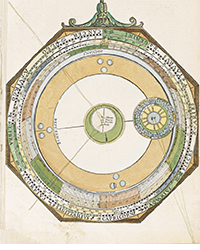


![<b>Sotheby’s, Dec. 11:</b> Darwin and Wallace. On the Tendency of Species to form Varieties..., [in:] <i>Journal of the Proceedings of the Linnean Society,</i> Vol. III, No. 9., 1858, Darwin announces the theory of natural selection. £100,000 to £150,000.](https://ae-files.s3.amazonaws.com/AdvertisementPhotos/00d5fd41-2542-4a80-b119-4886d4b9925f.png "<b>Sotheby’s, Dec. 11:</b> Darwin and Wallace. On the Tendency of Species to form Varieties..., [in:] <i>Journal of the Proceedings of the Linnean Society,</i> Vol. III, No. 9., 1858, Darwin announces the theory of natural selection. £100,000 to £150,000.")


![<b>Heritage, Dec. 15:</b> John Donne. <i>Poems, By J. D. With Elegies on the Author's Death.</i> London: M[iles]. F[lesher]. for John Marriot, 1633.](https://ae-files.s3.amazonaws.com/AdvertisementPhotos/8caddaea-4c1f-47a7-9455-62f53af36e3f.jpg "<b>Heritage, Dec. 15:</b> John Donne. <i>Poems, By J. D. With Elegies on the Author's Death.</i> London: M[iles]. F[lesher]. for John Marriot, 1633.")